

A well-balanced gastrointestinal system is vital for general health, and the Keto Diet has emerged as a powerful strategy to support belly wellness. The human stomach hosts trillions of microorganisms that perform a vital role in digestion, vitamin assimilation, and immune function. Eating meals that foster these useful bacteria can considerably enhance digestive health and overall well-being.
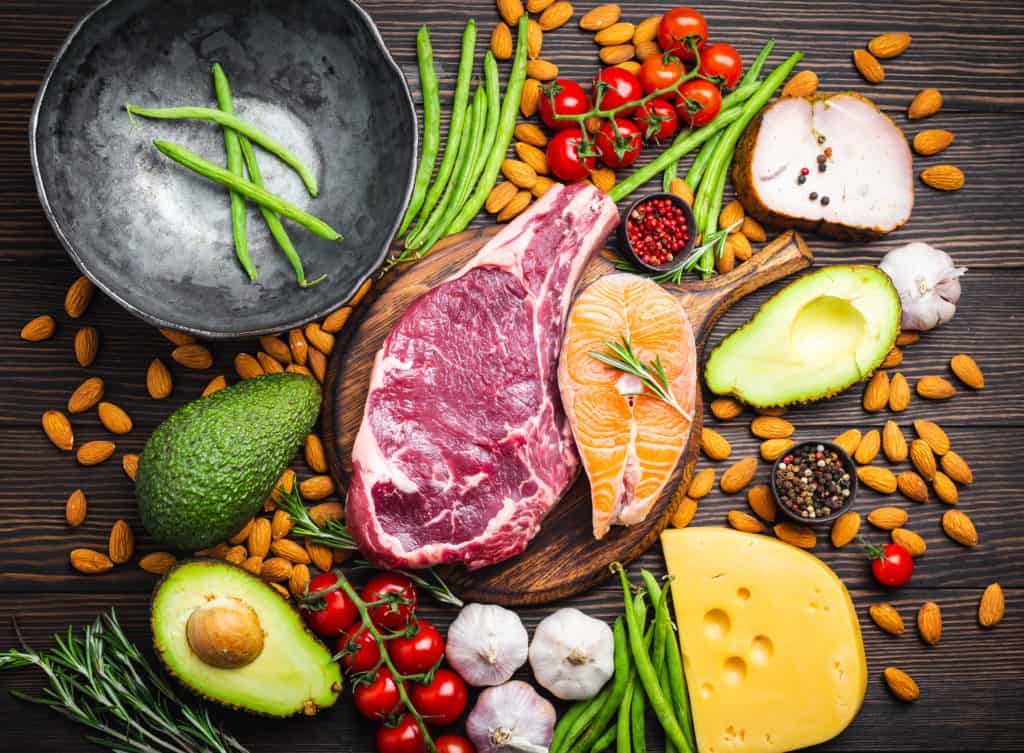
Main to the microbiome diet are ingredients rich in prebiotics and probiotics. Prebiotics are non-digestible materials that become food for the gut's beneficial bacteria. Foods such as garlic, onions, leeks, asparagus, and plums are excellent sources. Incorporating these substances into everyday foods can promote bacterial development, encouraging in greater digestion and increased vitamin assimilation.
Probiotics, on one other give, are stay useful bacteria that support maintain a healthy microbial balance in the gut. Yogurt, kefir, fermented vegetables like kimchi and sauerkraut, and miso are normal probiotic sources. Regular usage of the ingredients can lower digestive disquiet, improve immune answer, and actually help emotional well-being through the gut-brain axis.
As well as prebiotics and probiotics, fiber-rich full meals perform an essential role in the microbiome diet. Whole cereals, legumes, fruits, and veggies give soluble and insoluble fiber, which supports regulate bowel motions and reduce constipation. These fibers also serve as gasoline for valuable gut microorganisms, selling an even more varied and tough microbiome.
Polyphenol-rich ingredients, such as for example berries, green tea extract, insane, and olive oil, more help stomach wellness by acting as anti-oxidants and marketing the development of valuable bacteria. These compounds reduce inflammation and protect the intestinal coating, ensuring efficient digestion.

Moisture is another crucial factor. Drinking adequate water supports the smooth passing of fiber through the gastrointestinal system and supports vitamin absorption. Additionally, aware eating habits—such as for instance eating food extensively and avoiding extortionate processed foods—match the microbiome diet for optimum digestive function.
By focusing on a variety of full, nutrient-dense ingredients, the microbiome diet not just increases digestion but additionally contributes to long-term health. Embracing that dietary method will help maintain a healthy stomach ecosystem, lower intestinal discomfort, and improve over all vitality.